Why Keynesian Economics Will Prove To Be A Failure.
A funny thing about bull markets is that investors develop a very short memory about the previous bear market. Such is why cycles repeat throughout history as lessons must be learned and relearned.
A funny thing about bull markets is that investors develop a very short memory about the previous bear market. Such is why cycles repeat throughout history as lessons must be learned and relearned.

I previously discussed a slate of recessionary indicators with high correlations to recessionary onsets. However, as we head into 2024, many Wall Street economists predict a “soft landing” or “no recession” outcome for the economy. Are these recessionary indicators with near-flawless track records wrong this time? Will it be a soft landing in the economy […]

Democrats should start worrying about the level of debt and the increasing deficit. I previously discussed this issue when President Obama held the White House, when Marshall Auerback, via the Nation, wrote: “Delivering on big progressive ideas like Medicare for All and the Green New Deal will never happen until Democrats get over their fear […]
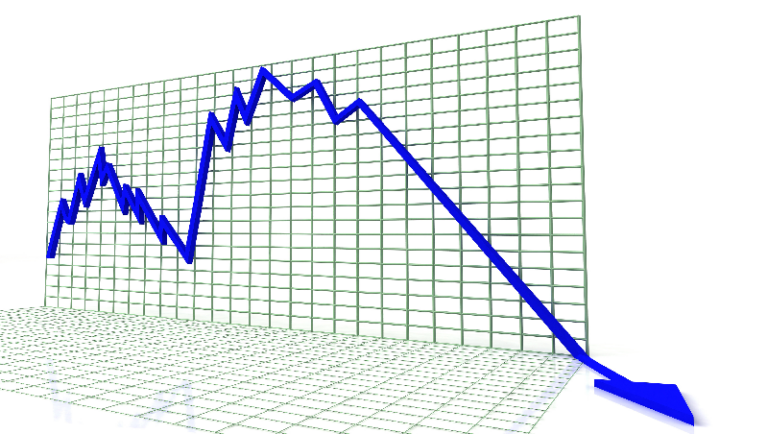
There is a zero to a negative multiplier of debt on economic growth. The recent spending spree of the Government to facilitate a transition to a socialistic economy requires a massive increase in debt.

The Chicago Fed National Activity Index (CFNAI) is arguably one of the most important and overlooked economic indicators. Each month, economists, the media, and investors pour over various mainstream economic indicators, from GDP to employment and inflation, to determine what markets will likely do next. While economic numbers like GDP or the monthly non-farm payroll […]

The recent #MacroView blog noted economists are increasingly confident the economy will avoid a recession. Such is due to strong job and retail sales data. Even Jerome Powell, in his recent speech, made note of the strength of the data. To wit: “Additional evidence of persistently above-trend growth, or that tightness in the labor market […]

Economists no longer expect a recession. Such was according to a recent WSJ survey of Wall Street economists. To wit: “In the latest quarterly survey by The Wall Street Journal, business and academic economists lowered the probability of a recession within the next year, from 54% on average in July to a more optimistic 48%. That is the first […]

Restrictive monetary conditions, from higher yields and tighter lending conditions, are the Fed’s “Waterloo.” If you don’t remember, the “Battle of Waterloo” was fought on June 18th, 1815. The battle was a catastrophic defeat for the Napoleonic forces and marked the end of the Napoleonic Wars. Before that defeat, Napolean had a successful campaign of […]

As the “soft landing” narrative grows, the risk of a “crisis” event in the economy increases. Will the Fed trigger another crisis event? While unknown, the risk seems likely as the Fed’s “higher for longer” narrative is compromised by lagging economic data. Such is a question worth asking as we look back at the Fed’s […]