
Why “Not-QE” is QE: Deciphering Gibberish
The latest round of aggressive monetary policy is not called QE despite the fact that it is nearly identical in all facets. We walk you through step by step why it is QE.
The latest round of aggressive monetary policy is not called QE despite the fact that it is nearly identical in all facets. We walk you through step by step why it is QE.
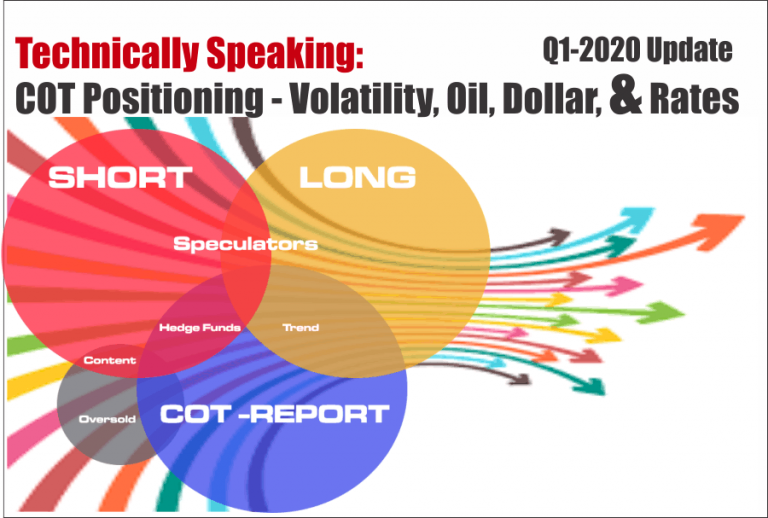
The COT (Commitment Of Traders) data is important as it shows the positioning of Non-Commercial Traders. This is the group that speculates on where they believe the market is headed. Are they “smarter” than retail investors, we find they are just as subject to “herd mentality” as everyone else. How are they positioned now?
After a decade long bull market advance that is up 400% from the lows. Should you worry about a market correction of 10% to 50% when it comes to your retirement goals?
Professor Minsky taught that markets have short memories, and that they repeatedly delude themselves into believing that this time will be different. Sadly, given the current level of market exuberance Minsky is likely to be proved correct.
Here is what you might have missed from the RIA Crew last week. A compilation of our best blogs, newsletter, podcasts, the daily radio show and commentary from RIAPRO.NET.
Dallas Fed President Robert Kaplan is neutral right now on monetary policy, saying neither a rate cut nor a rate hike are necessary in the medium term. The markets disagree.
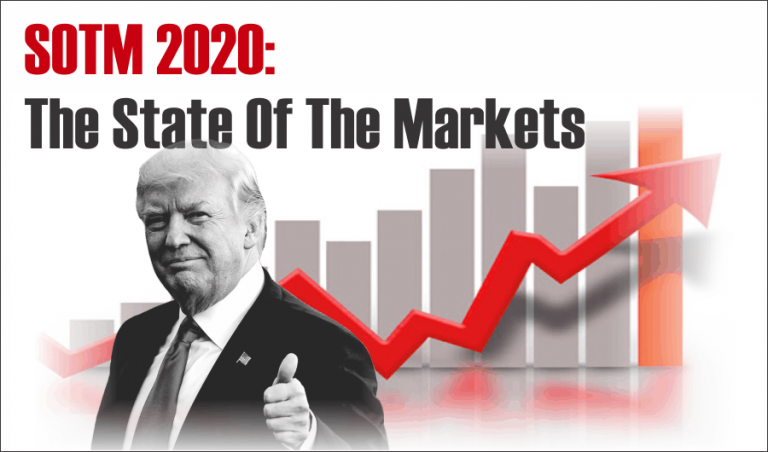
In the President's "State of the Union Address" on Tuesday, he used the podium to talk up the achievements in the economy and the markets. However, it is the claim of record high stock prices which undermines the rest of the story. Let me explain.

When the money supply is increased for consumptive and speculative purposes, the Fed creates dissonance between our wages, wealth, and the rate of inflation. In other words, they generate excessive inflation and reduce our real wealth.
Updating our technical analysis from this past weekend as the bounce we predicted took hold on Monday. What happens next, and how the January barometer and Super bowl indicator suggest that 2020 will be negative year for stocks.